

24×7 – 365 Days | [email protected] |
24×7 – 365 Days | [email protected] |
24×7 – 365 Days | [email protected] |
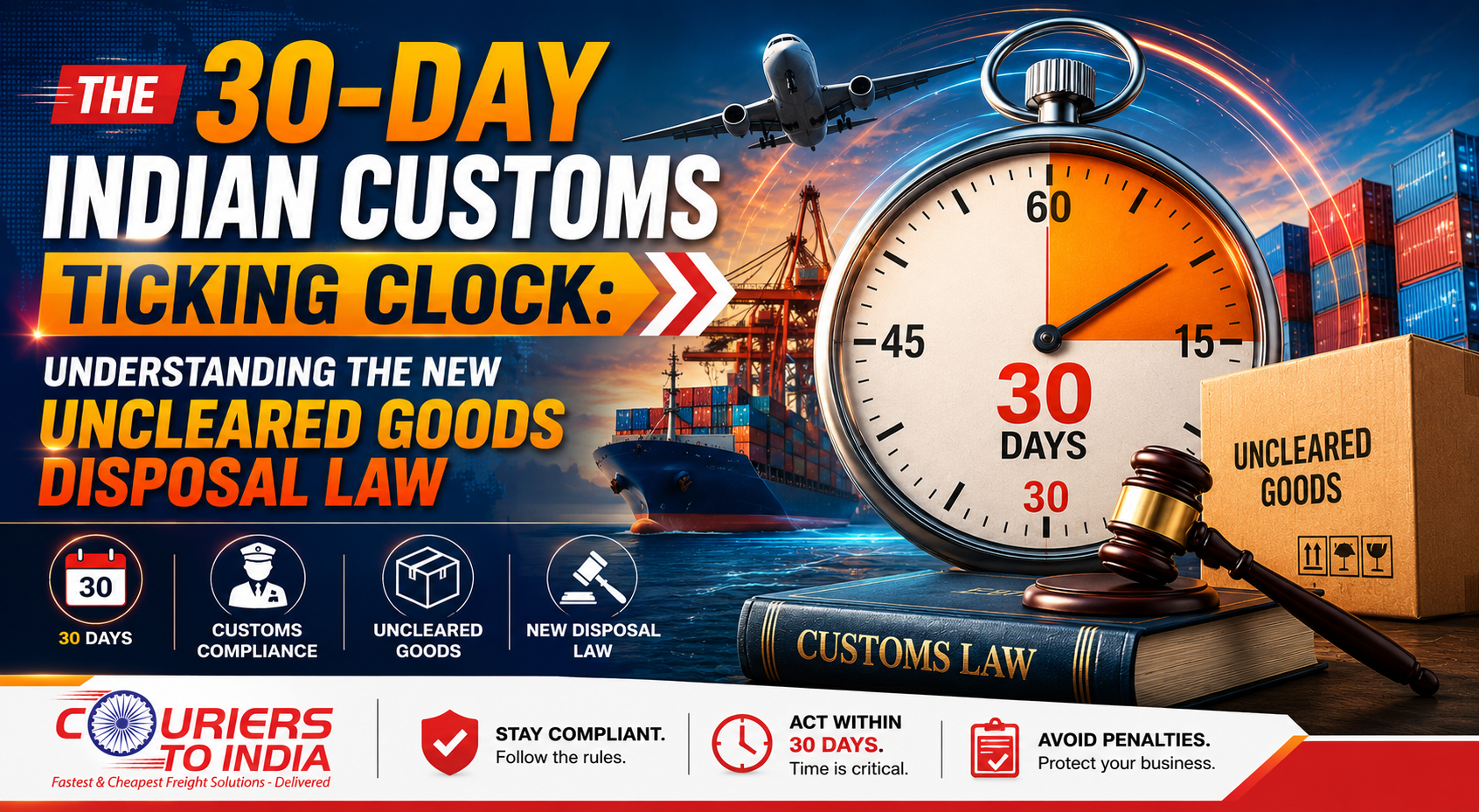
When importing parcels into India, an unforgiving legal countdown begins the exact second the aircraft touches down or the cargo vessel berths. Under Section 48 of the Indian Customs Act, 1962, the destination authorities enforce a strict 30-day window to clear any incoming shipment.
If this milestone passes without formal clearance, assessment, or a proactive transition into a customs-bonded facility, the port custodian is legally empowered to seize the consignment and place it on the public electronic auction block via MSTC (the government’s e-commerce portal).
However, “goods” is a broad legal category. Risk profiles, documentation friction, and immediate remedies fluctuate completely based on your specific shipment type.
For business-to-business (B2B) importers and corporate shipment, a Section 48 trigger is rarely caused by simple negligence. It is almost always driven by unexpected partner-government compliance demands, sudden valuation disputes, or localized cash-flow constraints regarding duty payments.
If your commercial shipment hits an unexpected regulatory wall, do not leave it sitting in a standard transit shed where storage charges multiply. Instruct your customs broker to immediately file a request under Section 49 of the Customs Act for Bonded Warehousing. This shifts the cargo into a secure, customs-controlled warehouse, legally pausing the 30-day disposal clock while you resolve compliance issues or find an alternative buyer.
Non-Resident Indians (NRIs) returning home or families relocating permanently often route their household goods via Unaccompanied Baggage or Less-than-Container Load (LCL) sea freight.
The highest volume of sudden Section 48 compliance failures occurs within international air express courier terminals (such as the New Courier Terminal in Delhi). This is entirely driven by shipments inaccurately marked as “Gifts” or “Personal Samples.”
| Shipment Type | Primary Clock Trigger | Immediate Mitigation Strategy |
|---|---|---|
| Commercial Cargo | Missing PGA Certifications (BIS, FSSAI) or consignee financial default. | File a Prior Bill of Entry up to 30 days before arrival to flag regulatory hurdles early. |
| Personal Effects | Mismatched documentation names or missing original passport/identity verifications. | Ensure the recipient's government identification matches the exact spelling on the Airway Bill. |
| Gifts & Samples | Systemic undervaluation or booking prohibited items (e.g., restricted electronics). | Provide an authentic purchase invoice inside the booking; never declare commercial items as gifts. |
A common misconception among international shippers is that if their cargo is seized and sold at auction, the sales proceeds will at least cover their outstanding debts. This is legally incorrect. Under Section 150 of the Indian Customs Act, the proceeds of an uncleared goods auction are strictly carved up in a mandatory statutory hierarchy.
1. Expenses of the Sale: Step 1.
First priority goes to recovering the administrative and operational costs of conducting the public e-auction.
2.Port Custodian Fees: Step 2.
The remaining funds are next allocated to pay off accumulated port storage, ground rent, and custodian demurrage fees.
3.Carrier Freight Charges: Step 3.
Only after the port is satisfied are the ocean or air carrier’s outstanding shipping and container detention charges addressed.
4.Government Customs Duty : Step 4.
Finally, any leftover funds are used to settle the original statutory Customs Duty owed to the government.
The Liability Warning: If the money realized at auction fails to cover these four tiers, shipping lines and port authorities frequently initiate formal recovery proceedings against the registered corporate entities for the outstanding balance.
If your commercial shipment is hopelessly stuck due to extreme regulatory fines or severe transport damage, you hold the legal right under Section 48 to formally relinquish title to the goods before the auction process is finalized. While you walk away from the cargo completely, a clean, proactive relinquishment protects your corporate entity from ongoing storage liability and future litigation from the shipping
The 30-day uncleared goods law is an unyielding operational reality designed to keep India’s critical logistics gateways fluid. To navigate this successfully, you must have your paperwork verified before the cargo leaves the origin country.
Partnering with an express logistics specialist that has a direct, hands-on presence at major Indian customs entry hubs ensures that minor documentation flags can be cleared before the 30-day clock runs out.
Under Section 48 of the Indian Customs Act, 1962, all incoming cargo must be formally cleared within 30 days of arrival in India. If you miss this deadline, port custodians can legally seize and auction your goods via the government’s MSTC portal.
3 Critical Safeguards to Protect Your Shipment:
Commercial Cargo: If you hit regulatory bottlenecks (like missing BIS or FSSAI certificates), immediately file for Section 49 Bonded Warehousing to legally pause the 30-day clock.
Personal Effects: Ensure recipient ID names match your shipping documents exactly; otherwise, customs scrutiny can easily run down your 30 days.
Express Gifts: Never undervalue consumer goods or hide them under a “Gift” label. Air courier terminals move fast, and non-compliant items are quickly abandoned to the Uncleared Cargo Cell.